About Charlie
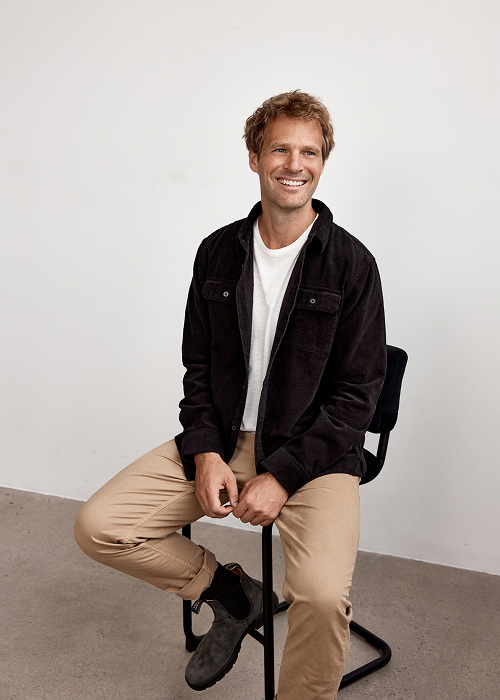
Recognised internationally for his work, Charlie Goldsmith has spent almost thirty years practicing and sharing his approach across public, clinical, and research settings.
The Vision
Charlie is working to make the field of energy medicine more credible, structured, and accessible. Through his new app, Ennie, he is developing a way to identify and assess energy healing abilities in a clear and consistent way.
By using a rigorous and transparent testing process, Charlie’s aim is to recognise practitioners who can demonstrate their abilities and create a pathway for people who want to explore this work with confidence.
This effort not only supports individuals interested in energy medicine, but also contributes to greater understanding, recognition, and credibility for the practitioner community as a whole. Charlie’s vision is a future where energy work is understood, respected, and accessible worldwide.
Charlie actively seeks opportunities to participate in scientific research and clinical trials, with the primary objective to advance our understanding of this healing modality and its potential applications.
Professional
testimonials
Charlie’s ability has drawn the interest of medical professionals, scientists, and leaders in the health space worldwide. This growing interest brings together experts from various disciplines, allowing for a multidisciplinary approach that bridges the gap between energy medicine and conventional health.
Dr. Alan, DO
Chairman , Department of Family Medicine, Ambulatory Care and Community Medicine
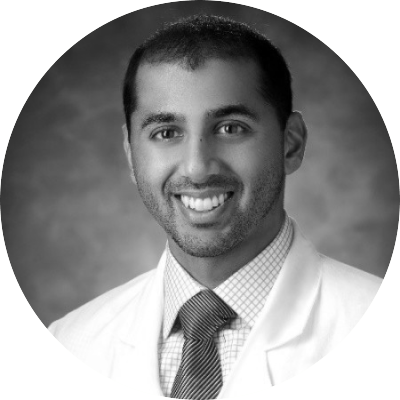
Dr. Tanuj Sood, MD
Internal Medicine Specialist, NYU HOSPITAL, NYC
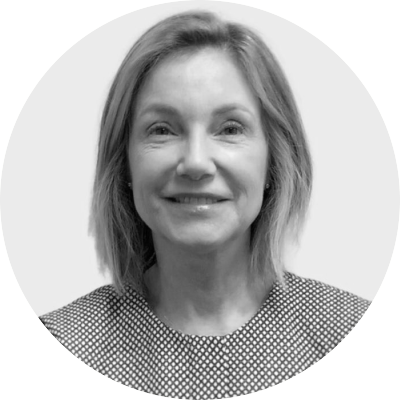
Dr. Bonnie Simmons
Chair Emergency Medicine, NYU HOSPITAL, NYC

Dr. Vivian Burkhardt, MD
Internal Medicine Specialist, NYU HOSPITAL, NYC
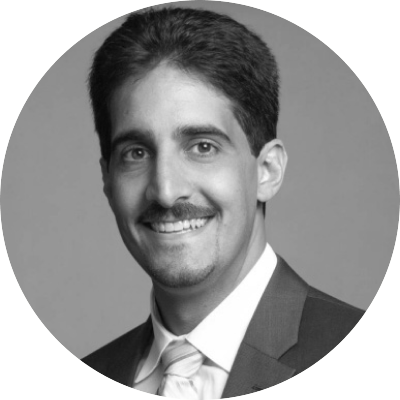
Dr. Ramsey Joudeh, MD
Internal Medicine Specialist, NYU HOSPITAL, NYC
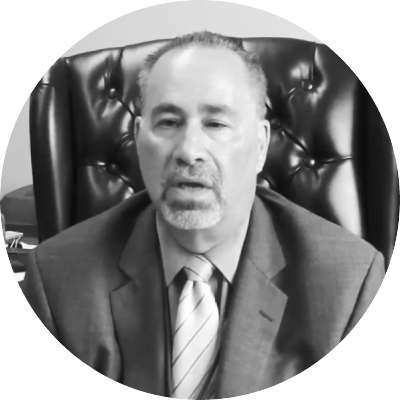
“I have been working with Charlie Goldsmith for the past year. I was connected to him by a colleague of mine who is the former NIH director of Complementary Medicine. I was initially skeptical of his ability to heal but agreed to meet. It did not take long before I was not only a believer but am sure that the work Charlie does helping people is real and has a tremendous impact on his patients' wellbeing. I can not tell you how it works, I can just tell you it really works. I have now seen Charlie help improve the lives of hundreds of people. I saw a man get up and walk who was bedbound for months as well as improvements to the pain, mobility and wellbeing of hundreds of others. I am so confident that his abilities are real that I am stating my 40-year medical career reputation on it by helping arrange clinical studies at my hospital and medical school.”
Dr. Alan, DO
Chairman , Department of Family Medicine, Ambulatory Care and Community Medicine
“I first met Charlie when I was a medical student at a community hospital in Brooklyn. When he first introduced himself and explained the nature of his work as a healer, I was admittedly skeptical. In medical school, our education is primarily based on western medicine and we were taught to approach any alternative with skepticism. As I spent time with Charlie and saw how successful he was with treating patients’ previously intractable pain, I became more and more accepting of his healing abilities as a substitute to pills and injections. Currently, in the midst of an opioid epidemic, Charlie’s talents as a healer are more relevant than ever. As a practising physician, I welcome this treatment option as a safer alternative to the current convention of pain management.”
Dr. Tanuj Sood, MD
Internal Medicine Specialist, NYU HOSPITAL, NYC
“I am a doctor and a healer and as far as I can tell, so is Charlie.”
Dr. Bonnie Simmons
Chair Emergency Medicine, NYU HOSPITAL, NYC
“The first day when we started one patient went from 8 to 3 on the pain scale, It was miraculous, within five seconds of Charlie closing his eyes, the patient reported the decrease in pain. What was really impressive was the speed and the size of the effects he had without touching patients or saying anything. Some colleagues were in disbelief. Some just smirked and moved on. Not everybody has seen what he can do.”
Dr. Vivian Burkhardt, MD
Internal Medicine Specialist, NYU HOSPITAL, NYC
“Most of our narcotics decrease a patient’s pain by 3 to 5 points. If you go from 10, meaning the worst pain you can imagine, to 5, that’s significant. In some cases Charlie reduced a patient’s pain from 10 to zero. He also treated people with infections where antibiotics were not effective. You could see the shift in a patient’s status from stagnant to a rapid healing resolution. I can’t quantify it, but I would say Charlie cut days off patients’ hospital stays. Watching him work has been humbling in the most extreme way.”
Dr. Ramsey Joudeh, MD
Internal Medicine Specialist, NYU HOSPITAL, NYC
NYU study
Initial Assessment
“Patient 24 was a 72-year-old woman who presented to the emergency department with bilateral worsening knee pain, inability to walk, and inability to bend her knees. Before EM, her pain was 10 of 10 in both knees. She had less than 5 degrees of active range of motion. Passive range of motion was 3.5 degrees in the left knee and 0 degrees in the right knee.”
Post Assessment
“After the session, her pain was 0 of 10, and she had full active range of motion in both knees. She stood up and walked with a cane, smiling. Her husband applauded and said that he hadn't seen her do this in many years.”
Initial Assessment
“Patient 31 was a 45-year-old woman with a diagnosis of metastatic breast cancer since 2003. Given the progression of her disease, pain became a major morbidity. On this admission, she presented with severe upper abdominal pain that had worsened in the previous 2 days. She reported that pain intensified with movement or touching of the affected area. The patient stated that her abdominal pain was improved to a score of 6 of 10 since admission but that she had significant (7 of 10) mid-lower back pain.”
Post Assessment
“The practitioner placed his hands approximately 10 inches above her right upper abdomen for approximately 20 seconds without touching her. Immediately afterward, she rated the abdominal pain to be 0 of 10. He addressed her lower back by placing his hands several inches over her umbilicus, after which she reported a pain score of 0 of 10. The practitioner asked her about the location of the cancer and did further work on the liver area. The patient was reassessed 15 minutes later and reported a sustained relief from pain in both areas.”
Charlie’s Journey
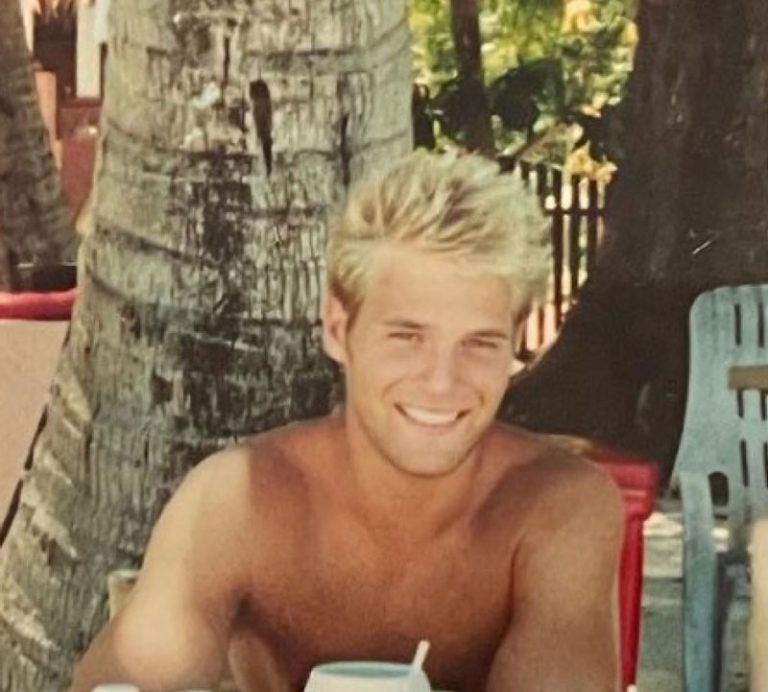
1999
Charlie Goldsmith spontaneously discovered his healing ability at 18. He quickly realized both how misunderstood and how powerful it was. Recognizing the lack of credibility and opportunity in the field, he has dedicated his life to bringing credibility and driving real, lasting change in this area.
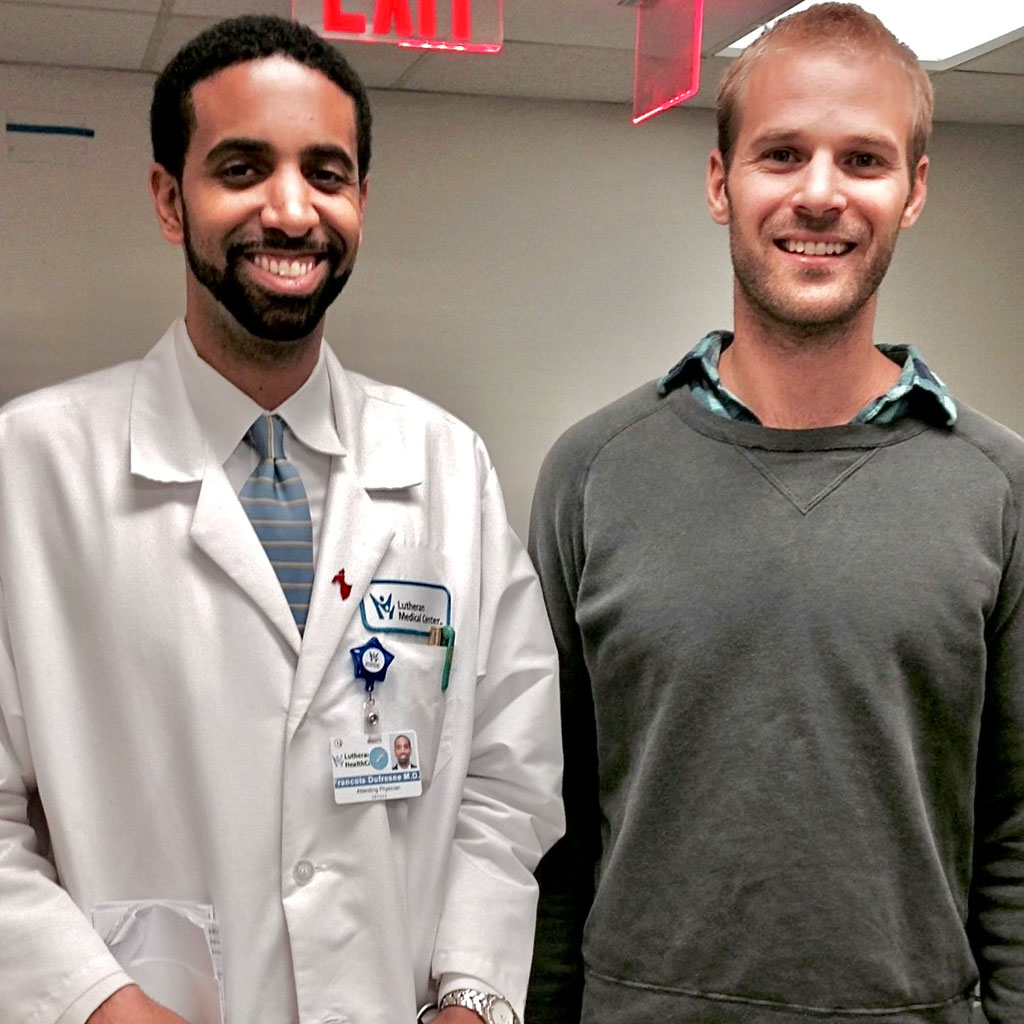
2013
In 2013, Charlie completed his first scientific study at NYU—a significant turning point in his career. Conducted with emergency and in-patients and later published in 2015, the study detailed the observations gathered during his work in a clinical setting.
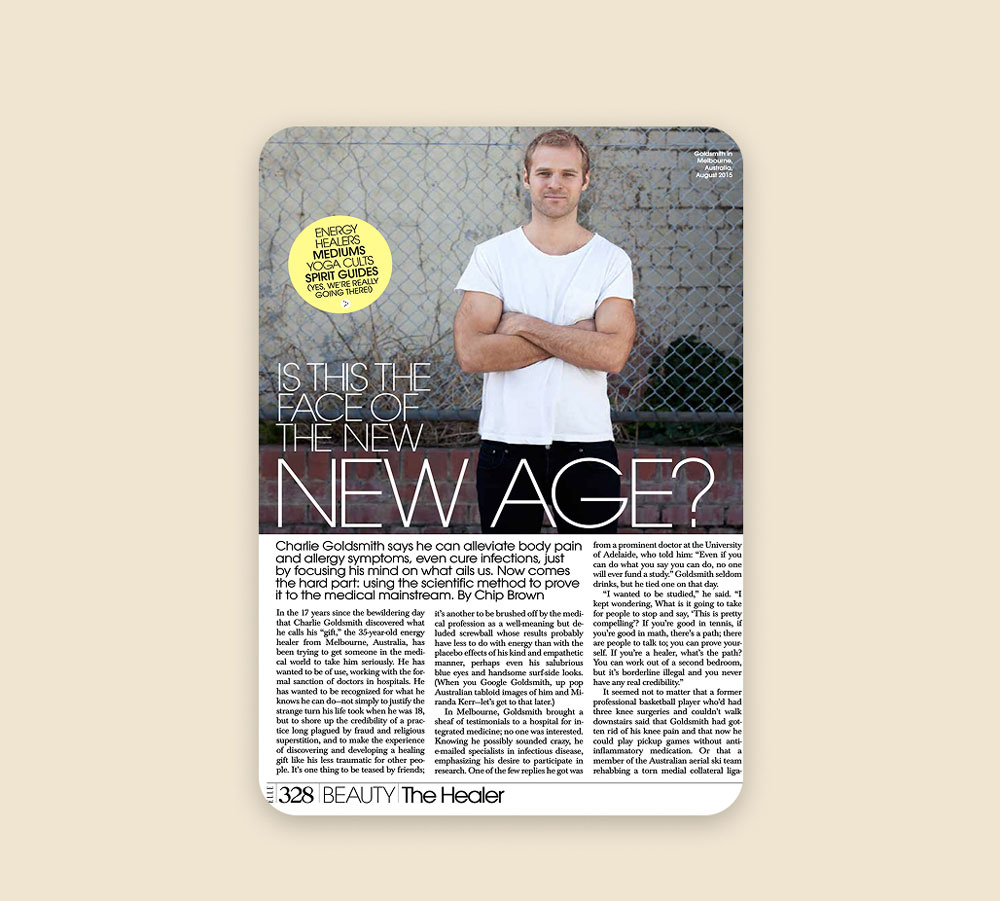
2015
Charlie was featured in Elle Magazine, where he spoke openly about his journey, the challenges he faced, and his hopes for the future of energy work. The article was released around the same time as the NYU Hospital study, bringing broader public attention to his work.
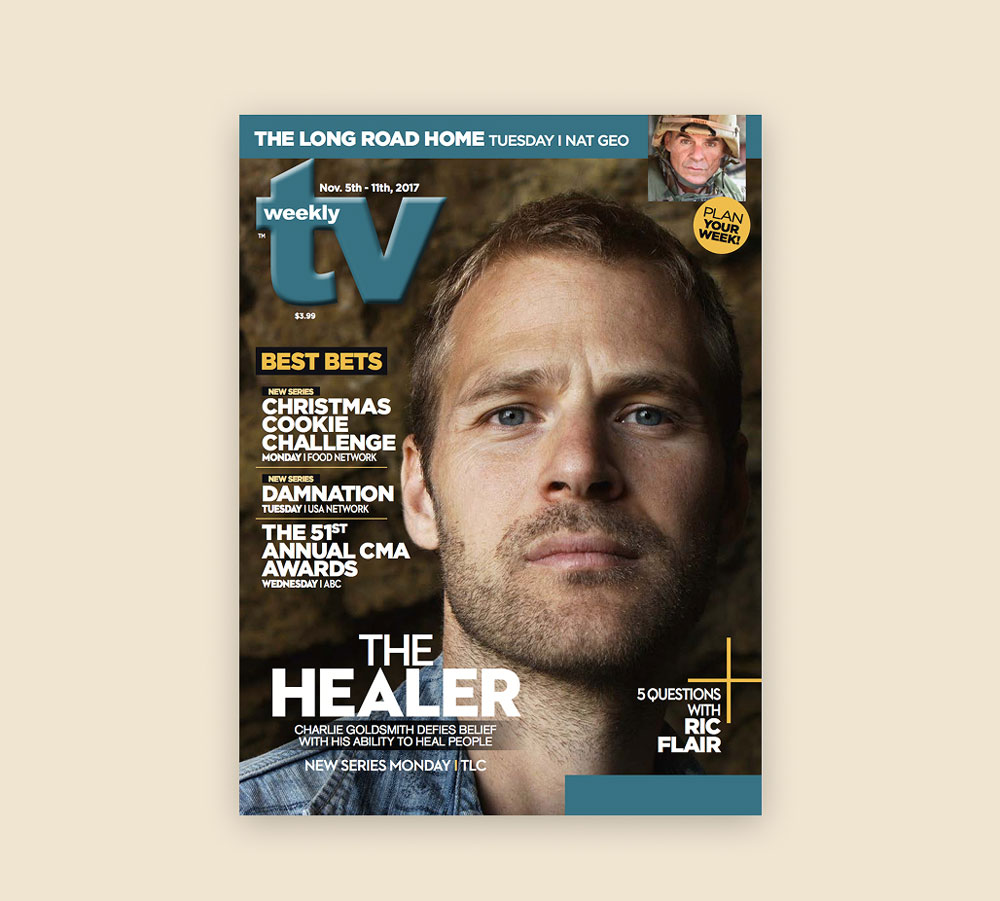
2017
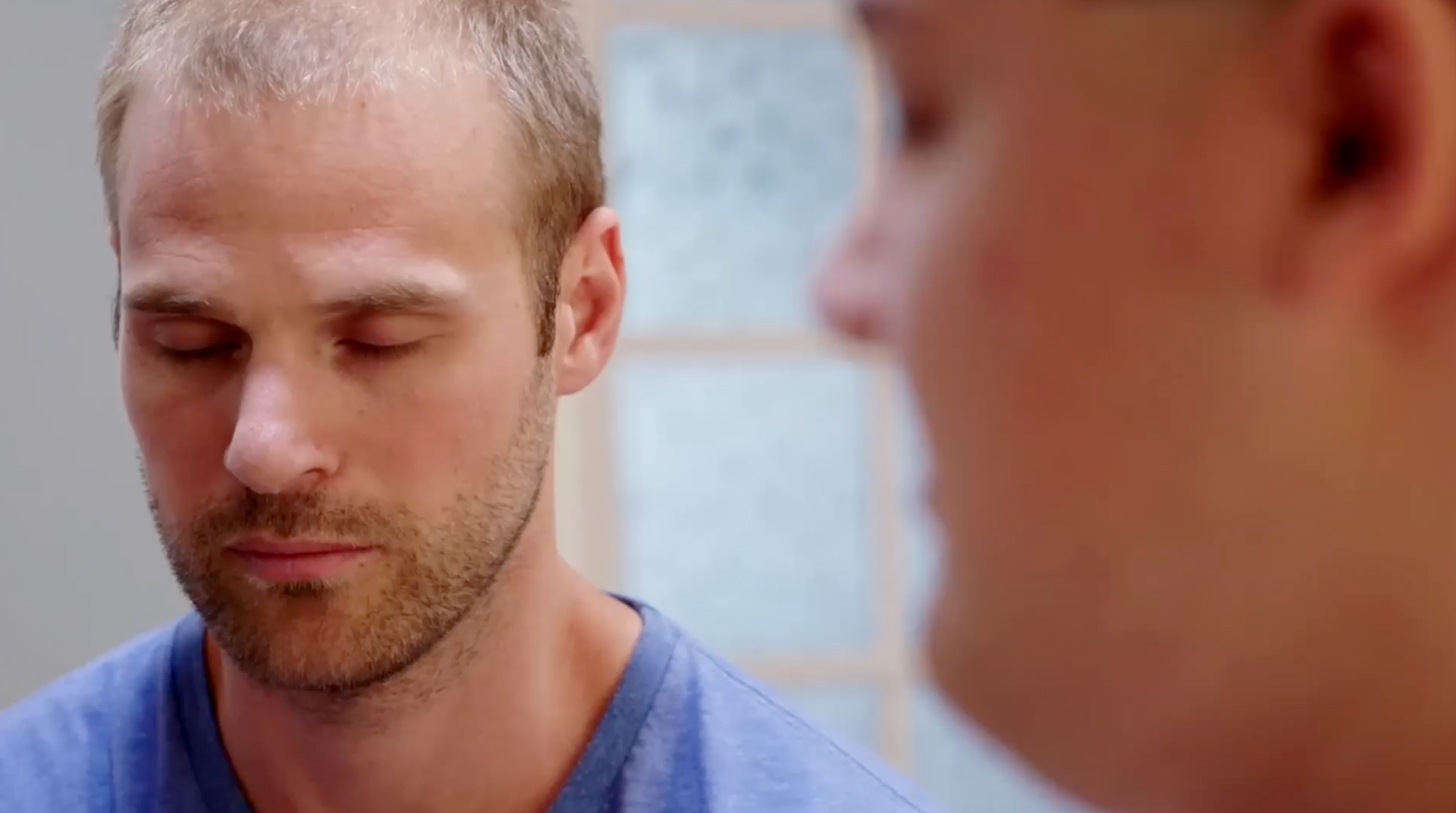
Charlie became the subject of TLC’s TV series The Healer, which followed his work and offered a closer look at his unique approach. Despite ongoing skepticism around energy medicine, many people—including medical professionals—expressed surprise at what they observed during his sessions.
2018
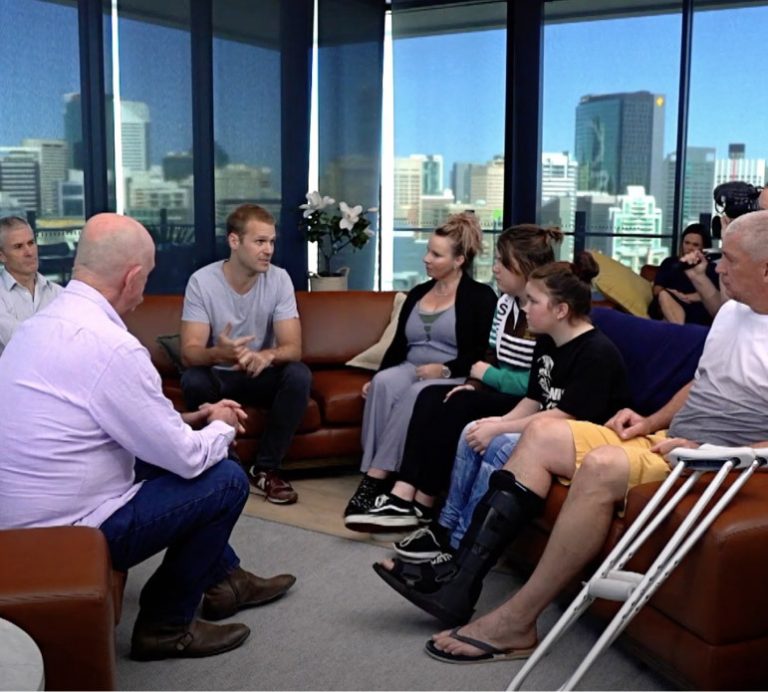
In 2018, Charlie appeared on The Sunday Night Show, where his work was observed and discussed on screen. A follow-up segment aired in 2019, revisiting the people featured and documenting improvements since the session.
2026
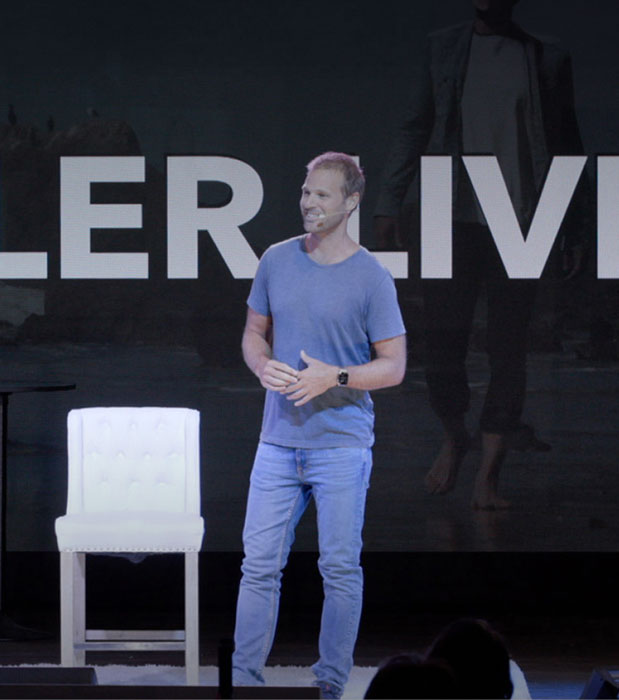
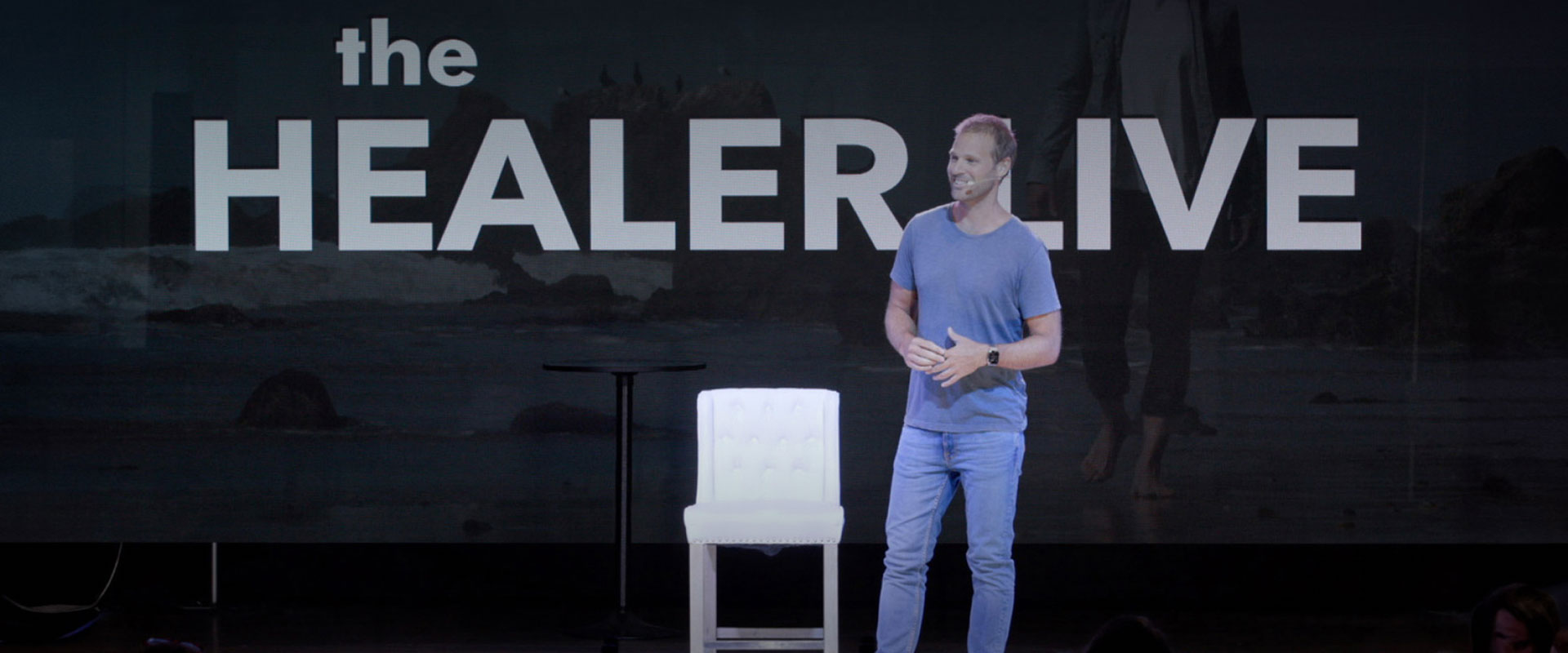
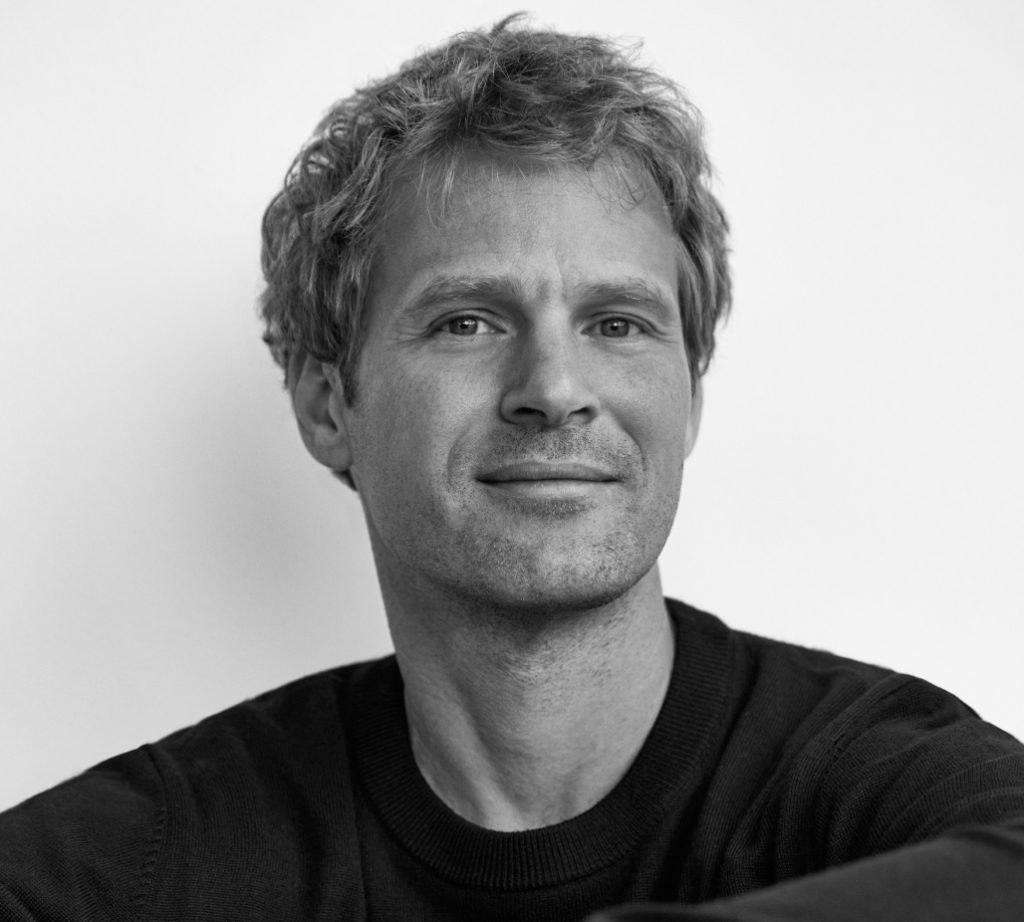
Charlie has relocated to America to deepen his involvement in scientific research and expand the ways his work is examined within medical and academic settings. He now collaborates with hospitals, universities, and health institutions, where is work is part of ongoing studies. In addition to this research, Charlie continues to share his teachings through live events and his book Human Medicine, which outlines the mechanics of emotion and the inner world. He has also developed Ennie, a platform designed to bring more clarity, credibility, and accessibility to the field of energy work. Across all these initiatives, Charlie remains committed to creating greater understanding between energy medicine and modern medicine.

Elle Magazine
Does Energy Healing Work? Watch ‘Healer’ Charlie Goldsmith And Decide For Yourself

Forbes
‘The Healer’: Charlie Goldsmith on His Special Gift and New TLC Series
TV Insider
Charlie Goldsmith has a unique gift that’s a little difficult to wrap your brain around.
Elle Magazine
Does Energy Healing Work? Watch ‘Healer’ Charlie Goldsmith And Decide For Yourself
Forbes
‘The Healer’: Charlie Goldsmith on His Special Gift and New TLC Series